Bickford Senior Living
Live happier, healthier — longer
Family-owned assisted living, independent living,
and memory care
Find a Bickford
Recently Viewed
Nearby Locations
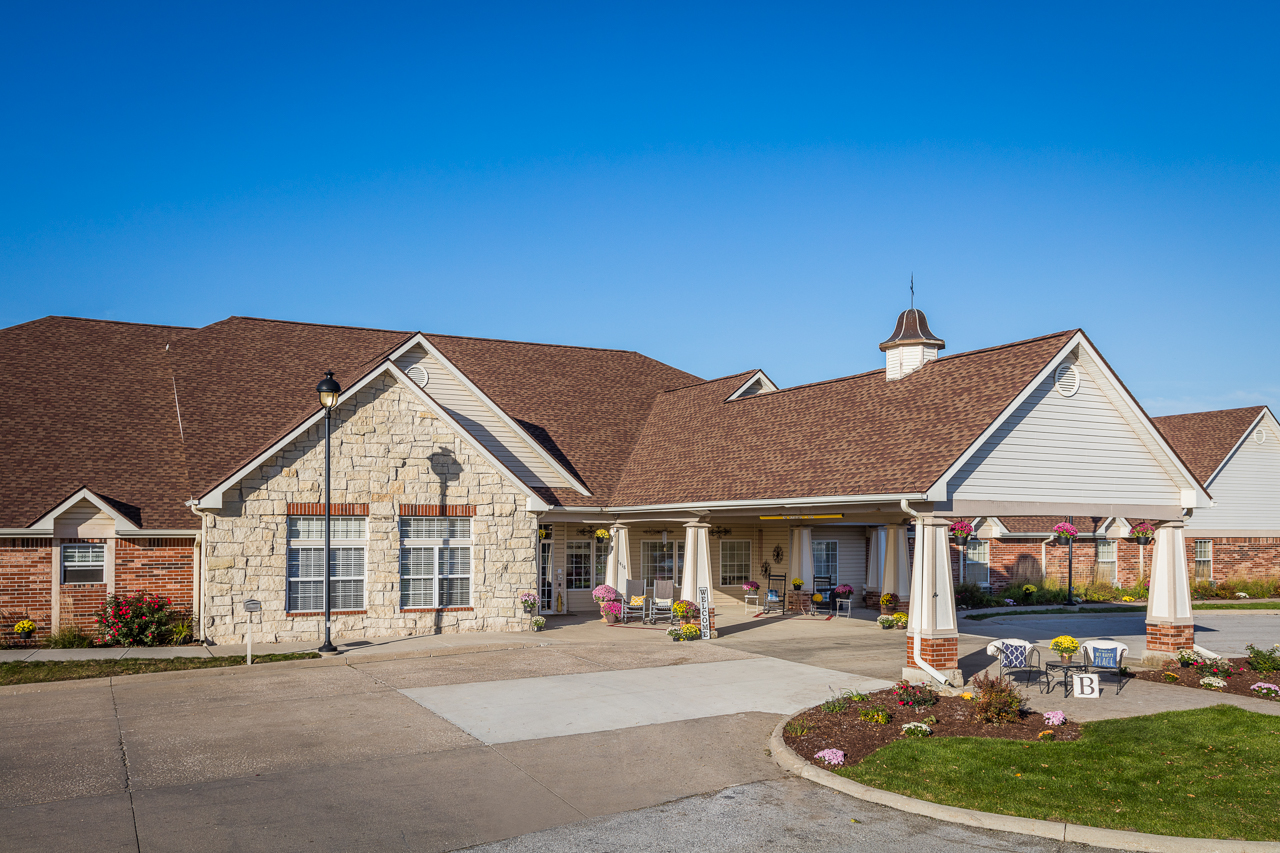
Bickford of Ames
Phone: 515-512-5507
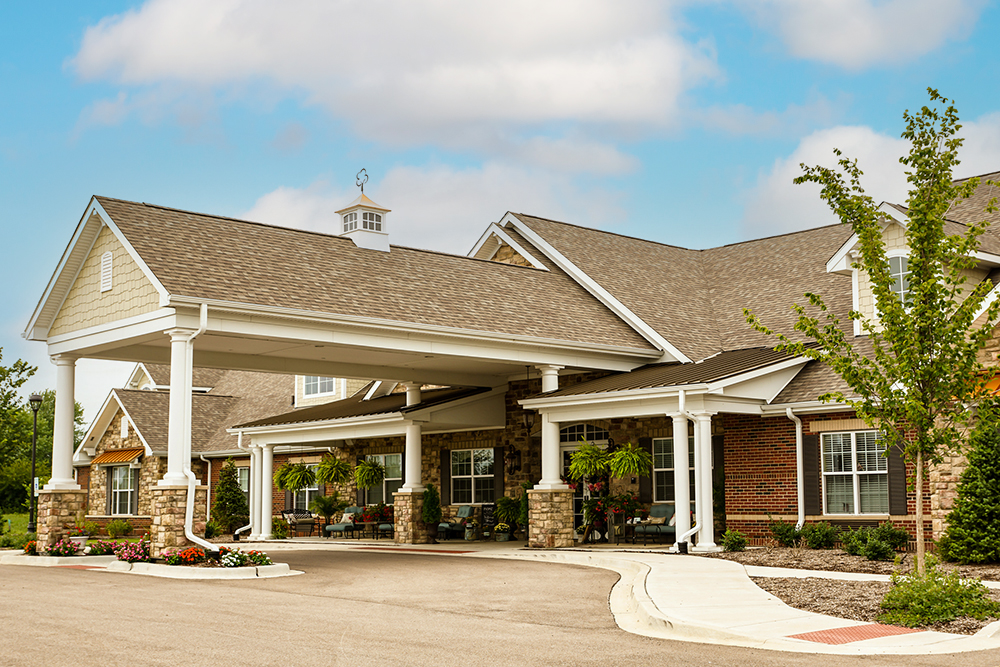
Bickford of Aurora
Phone: 630-526-7709
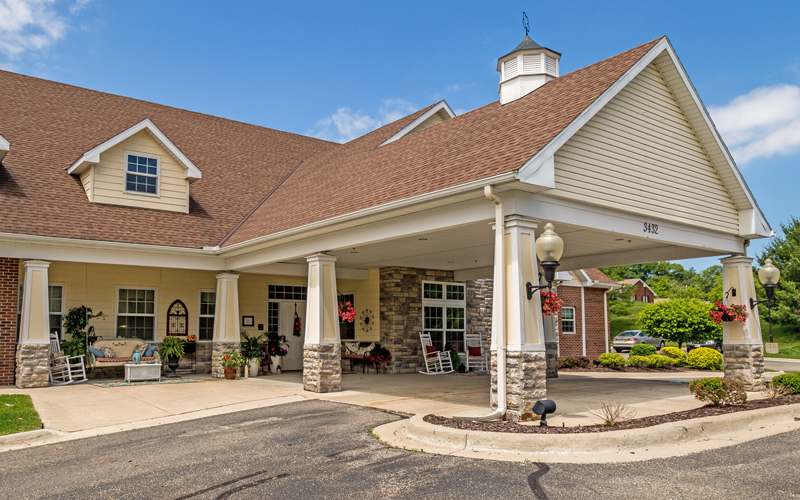
Bickford of Battle Creek
Phone: 269-520-7451
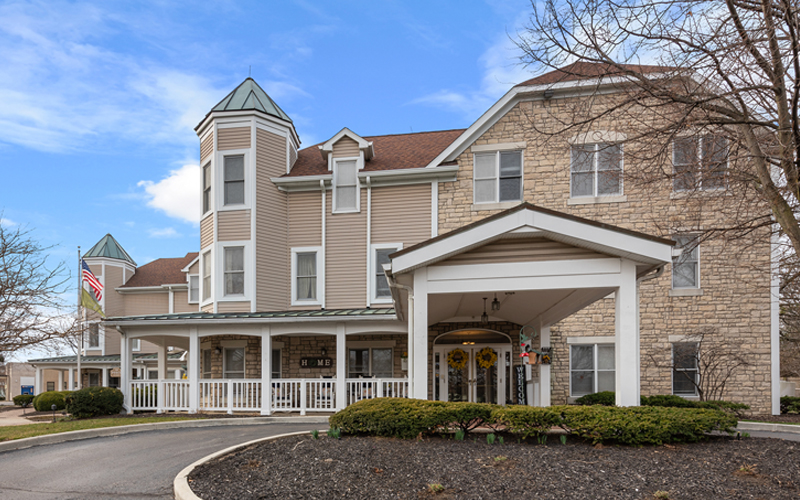
Bickford of Bexley
Phone: 614-972-1692
Bickford of Bloomington
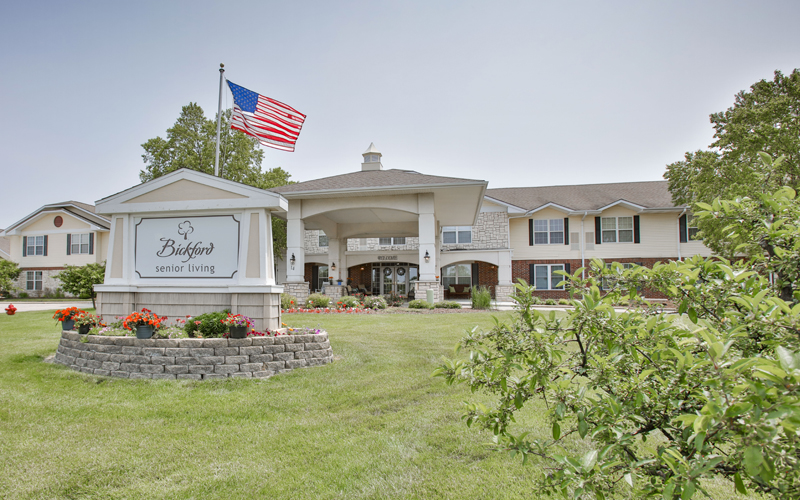
Phone: 309-725-2802
Bickford of Bourbonnais
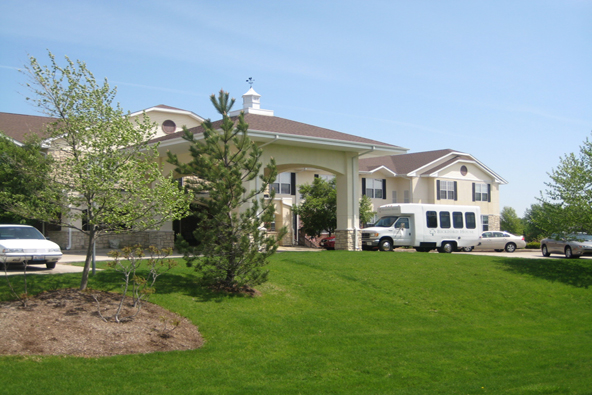
Phone: 815-671-4345
Bickford of Burlington

Phone: 319-271-6421
Bickford of Canton

Phone: 734-888-4433
Bickford of Carmel

Phone: 317-981-7317
Bickford of Cedar Falls
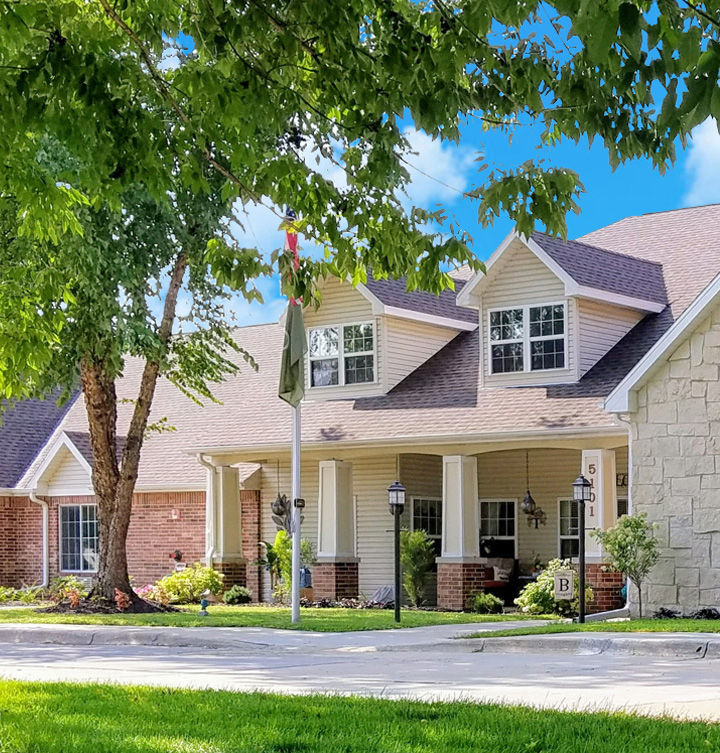
Phone: 319-658-5014
Bickford of Champaign

Phone: 217-909-9035
Bickford of Chesapeake
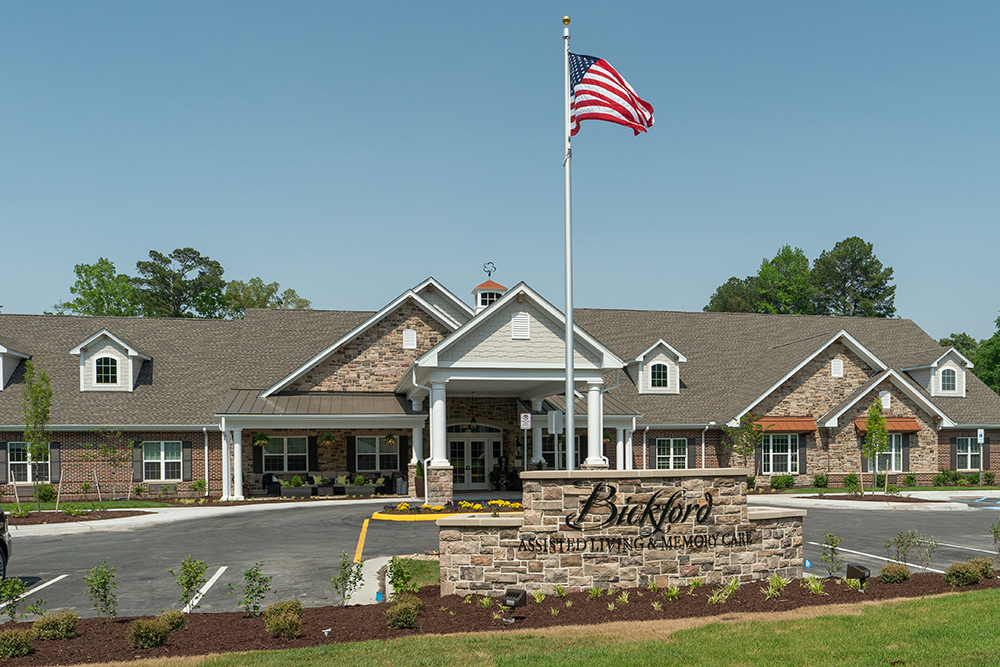
Phone: 757-792-8411
Bickford of Chesterfield

Phone: 804-944-2185
Bickford of Clinton

Phone: 563-227-9963
Bickford of Crawfordsville

Phone: 765-305-4892
Bickford of Crown Point
Phone: 219-246-5943
Bickford of Crystal Lake

Phone: 815-859-9637
Bickford of Davenport

Phone: 309-865-5116
Bickford of Fort Dodge

Phone: 515-605-7649
Bickford of Grand Island

Phone: 308-568-0499
Bickford of Greenwood

Phone: 317-751-7146
Bickford of Gurnee

Phone: 224-219-1741
Bickford of Iowa City

Phone: 563-316-6346
Bickford of Lancaster

Phone: 740-218-5051
Bickford of Lincoln

Phone: 402-623-6331
Bickford of Macomb

Phone: 309-252-4847
Bickford of Marion

Phone: 319-318-6493
Bickford of Marshalltown

Phone: 641-354-5996
Bickford of Middletown

Phone: 513-586-5350
Bickford of Midland

Phone: 989-373-7394
Bickford of Moline

Phone: 309-865-5116
Bickford of Okemos
Phone: 517-901-7096
Bickford of Omaha – Blondo
Phone: 402-858-9188
Bickford of Omaha – Hickory
Phone: 402-858-9188
Bickford of Oswego

Phone: 630-345-4896
Bickford of Peoria
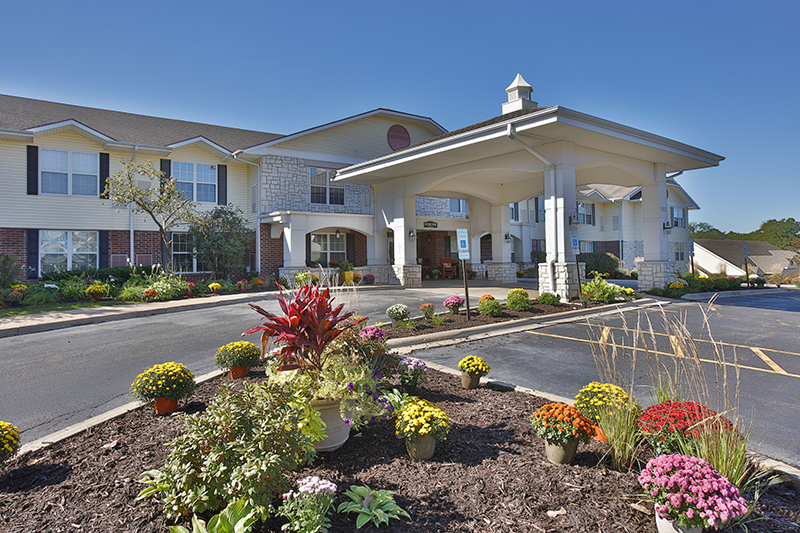
Phone: 309-247-7035
Bickford of Portage
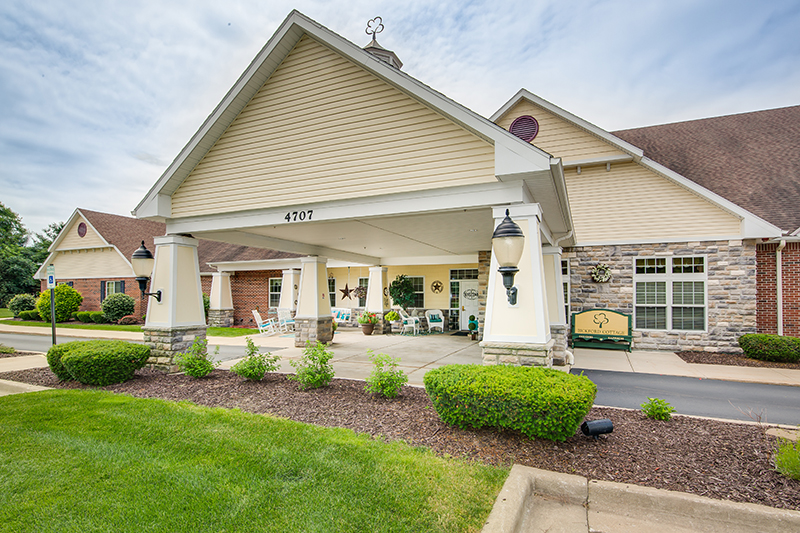
Phone: 269-399-3564
Bickford of Quincy

Phone: 217-919-5662
Bickford of Rockford
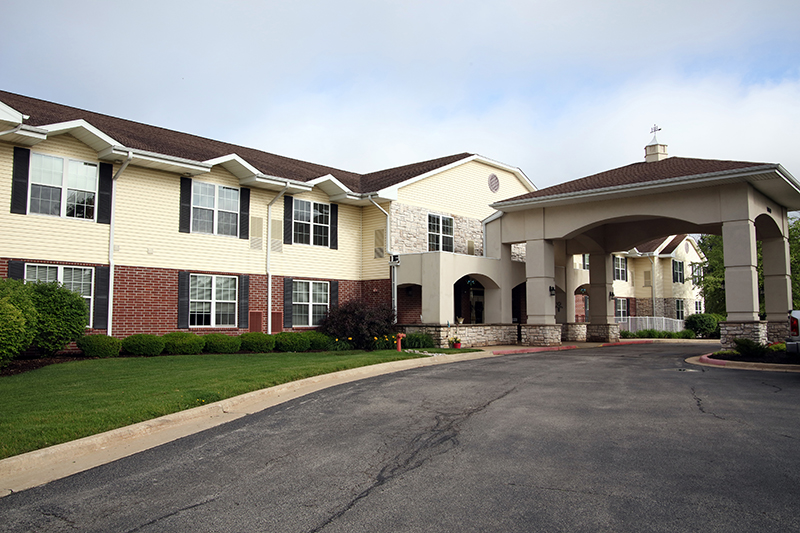
Phone: 815-957-6028
Bickford of Rocky River

Phone: 440-201-2164
Bickford of Saginaw Township

Phone: 989-341-8518
Bickford of Upper Arlington

Phone 380-235-7562
Bickford of Shelby Township
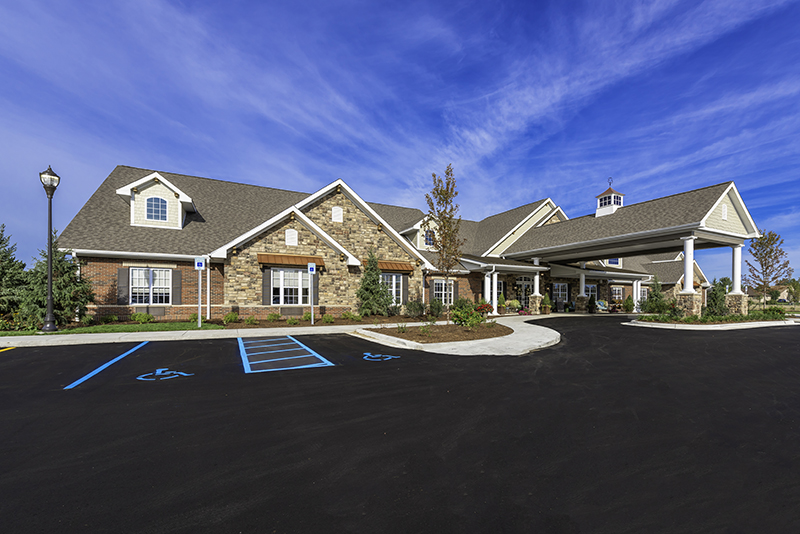
Phone: 586-371-6850
Bickford of Sioux City

Phone: 712-208-8334
Bickford of Spotsylvania

Phone: 540-701-5961
Bickford of St. Charles
Phone: 630-454-8175
Bickford of Suffolk

Phone: 757-239-3953
Bickford of Tinley Park

Phone: 708-634-5745
Bickford of Urbandale

Phone: 515-585-8565
Bickford of Virginia Beach

Phone: 757-792-8411
Bickford of Wabash

Phone: 260-888-3484
Bickford of West Des Moines

Phone: 515-400-3321
Bickford of West Lansing

Phone: 517-589-4418
Bickford of Worthington

Phone: 614-896-9185
The Rivers at Maryland Farms

Phone: 615-376-5299
Linn & Johnson Counties

Call us 319-946-4041
Northwest Suburbs of Chicago

Call us 224-271-9099
Sioux City

Call us 712-377-3627
Bickford has locations in the following states:
Get your loved one on the HigherPath
Most senior care today is reactive, siloed and confusing. With our nationally recognized senior health model, we’re taking the road less traveled and championing a higher standard of senior care.
We’ll work together to help your loved one live happier, healthier — longer
Services at Bickford
Assisted Living
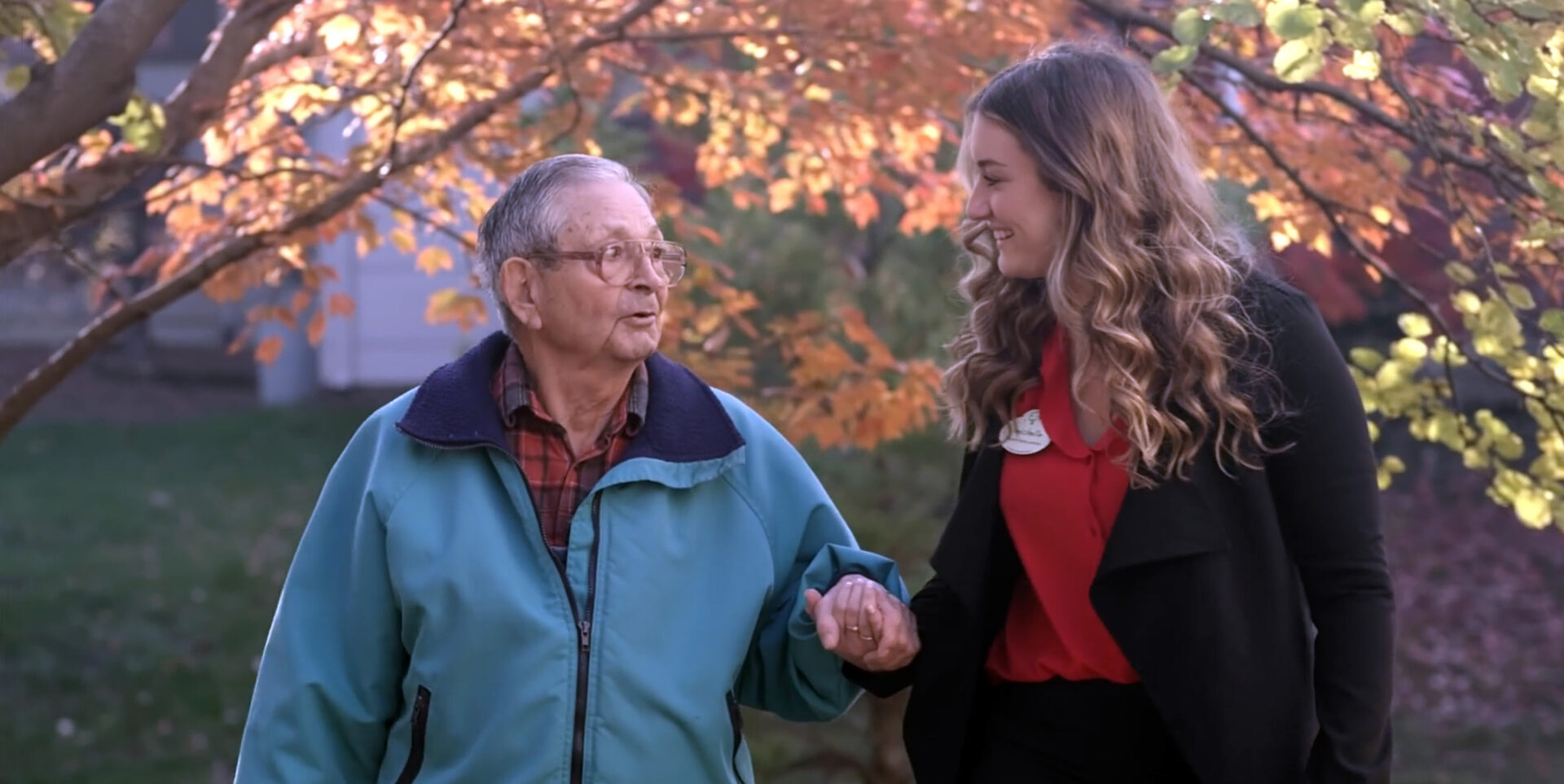
Personalized help with the activities of daily life, such as meals, grooming, and medication management.

Independent Living
Safety and security, maintenance-free living, and the comfort to know there’s care there if you need it.

Memory Care
An intimate, engaging environment designed specifically for seniors with dementia and Alzheimer’s.

Home Care
Compassionate support from professional caregivers to support your loved one to thrive at home.
We are a family of caregivers
Watch our short film about who we are and what we stand for
Created to care for our family Devoted to serving yours
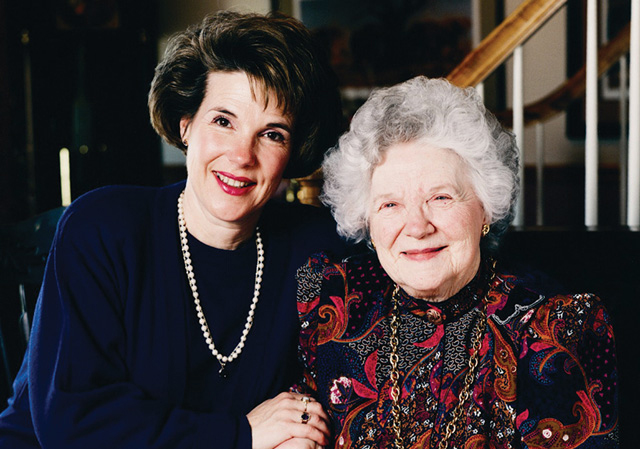
Purpose-built for our own mother
Pioneers in assisted living
Still family owned and operated
National leader in resident & caregiver happiness

We do whatever it takes to help you live your best life

Loved by our caregivers
Explore CareersYour loved one deserves to live the best life possible
